The complete guide
What you can and can’t safely put in an electric composter
Bone-capable blades open up what you can process, but "can handle bones" doesn't mean "put in anything" — here's a practical guide to loading it well.
What the upgraded blades actually change
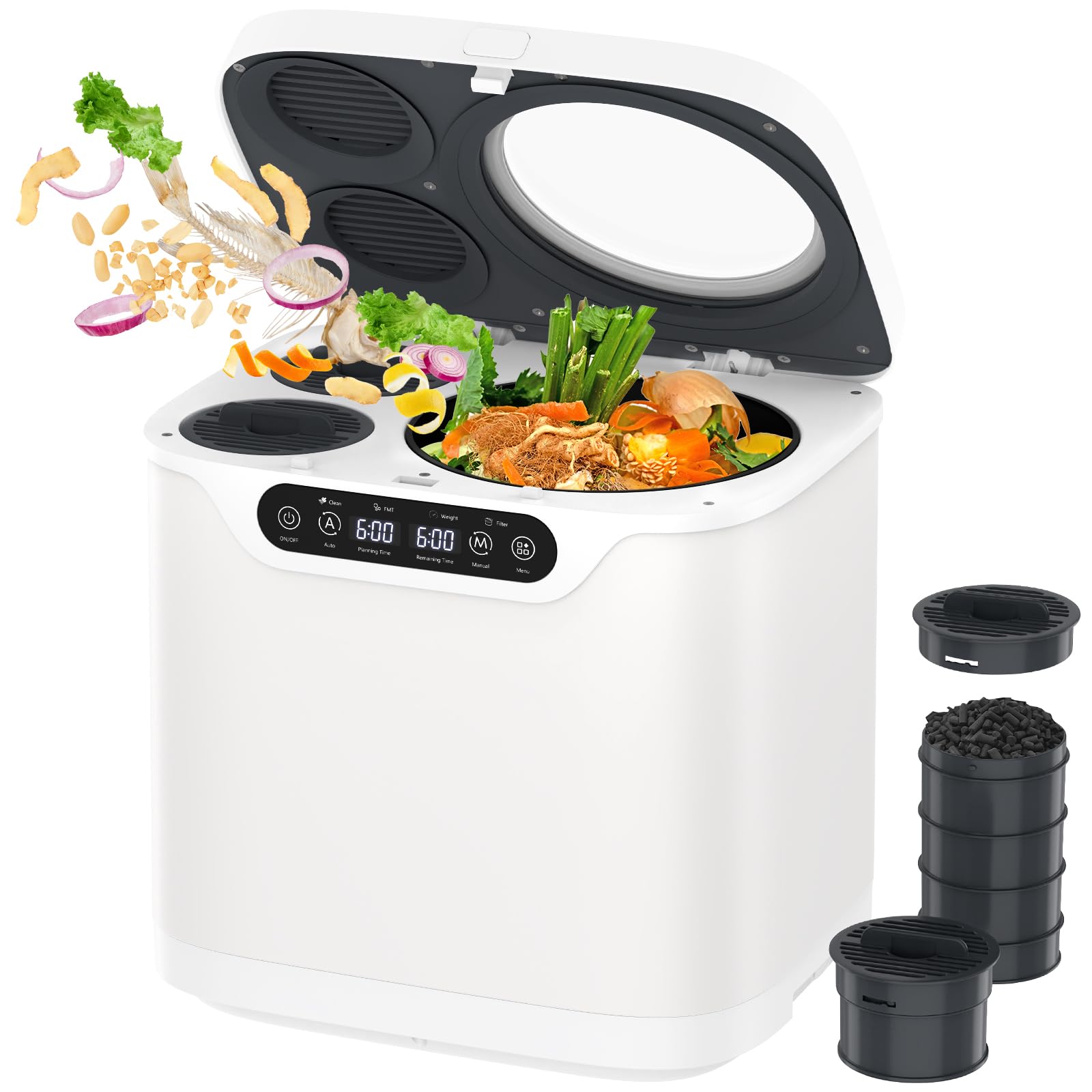
Standard composter blades are built for soft, wet material and will jam or wear quickly on anything genuinely hard. MoraRise's upgraded blades are specifically rated for small pork, chicken and fish bones — the kind that come off a roast dinner or a fish fillet — alongside the usual peelings, coffee grounds and leftovers. That's a meaningful upgrade for anyone who cooks meat regularly and has been tipping bones straight into general waste because their previous composter couldn't handle them.
Where the line still is
"Small bones" means exactly that — chicken carcass pieces, fish bones, rib bones from a portion, not large beef or lamb bones from a joint, which remain too dense and large for any countertop unit’s blades and motor. Stick to bones you could reasonably crush with a strong pair of kitchen shears, and if a piece feels solid rather than crushable, it belongs in general waste, not the composter.
Getting a clean, even cycle
Mixed loads with bones benefit from a bit of spacing: don't bury a dense bone in the middle of a wet load where the blades have to work through soft material to reach it. Distributing bone pieces through the load, rather than dumping them in a clump, helps the 6-hour cycle process everything evenly rather than leaving a dense pocket under-processed.
Using the auto-weighing timer well
The LED display's automatic weighing function estimates cycle time from load size, which means a lighter load (say, a day's peelings without much bone content) may finish faster than a full 6-hour cycle, while a denser, bone-heavy load will run closer to the maximum. Trust the display's estimate rather than assuming every cycle takes the same time — it's adjusting for what you've actually loaded.
Keeping the blades in good shape
Even upgraded blades benefit from not being asked to do more than they're rated for. Running the auto-clean function regularly (using the nonstick coating and detachable, dishwasher-safe bucket and blades) keeps residue from building up around the cutting mechanism, which is what actually shortens a blade's working life over time — more than the bones themselves.